Coherence in Complexity.
Building the capacity to reason through complexity and judge for ourselves, in individual minds and in democratic design.
We design AI information tools and governance structures that help people reason through complexity so they can judge for themselves, instead of reaching for the certainty of polarization and carving the world into us and them.
BUILDING CAPACITY FOR A CENTURY OF COMPLEXITY
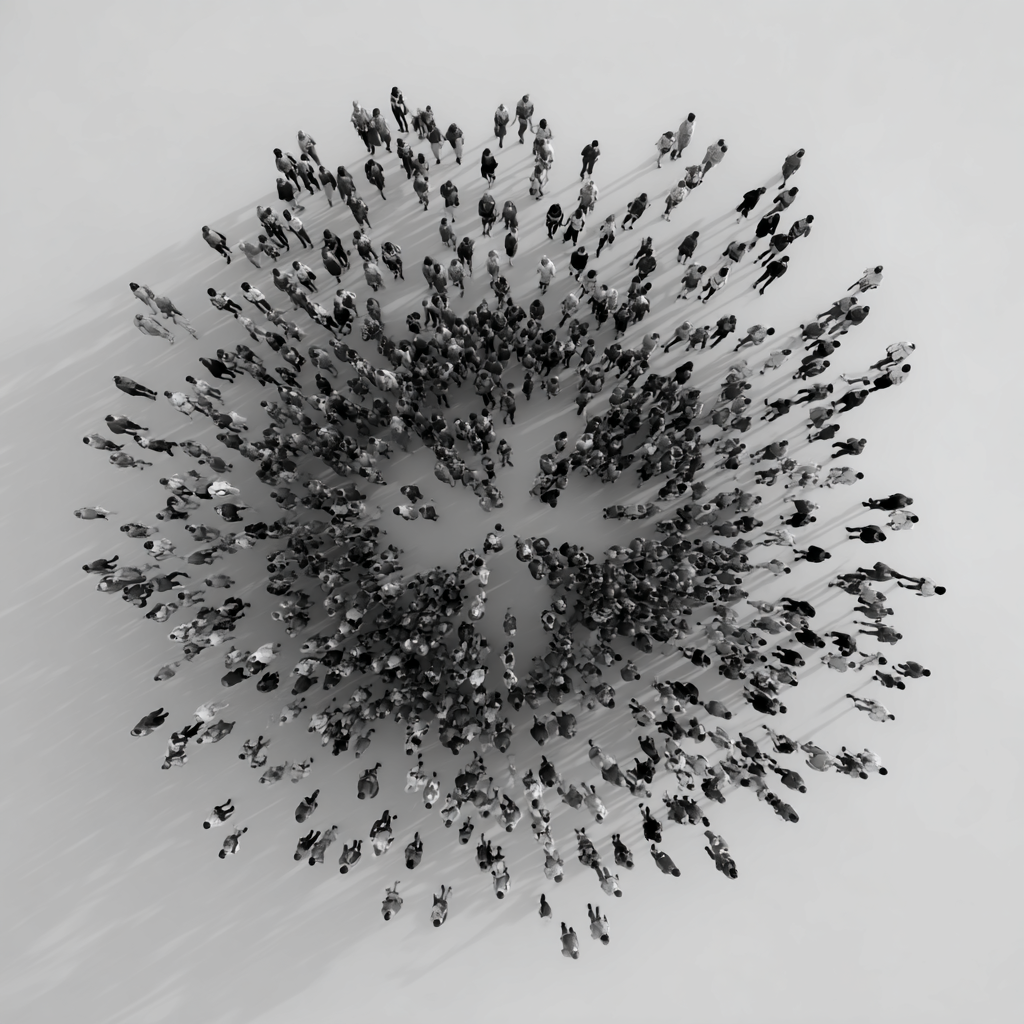
The world is growing more complex, more connected, more data-dense, more interdependent, and more exposed to rapid technological and environmental change. But complexity itself is not the problem. The problem is whether societies can evolve through it coherently, with the tools, structures, and minds to do so.

BUILDING CAPACITY IN BOTH KINDS OF LOCAL
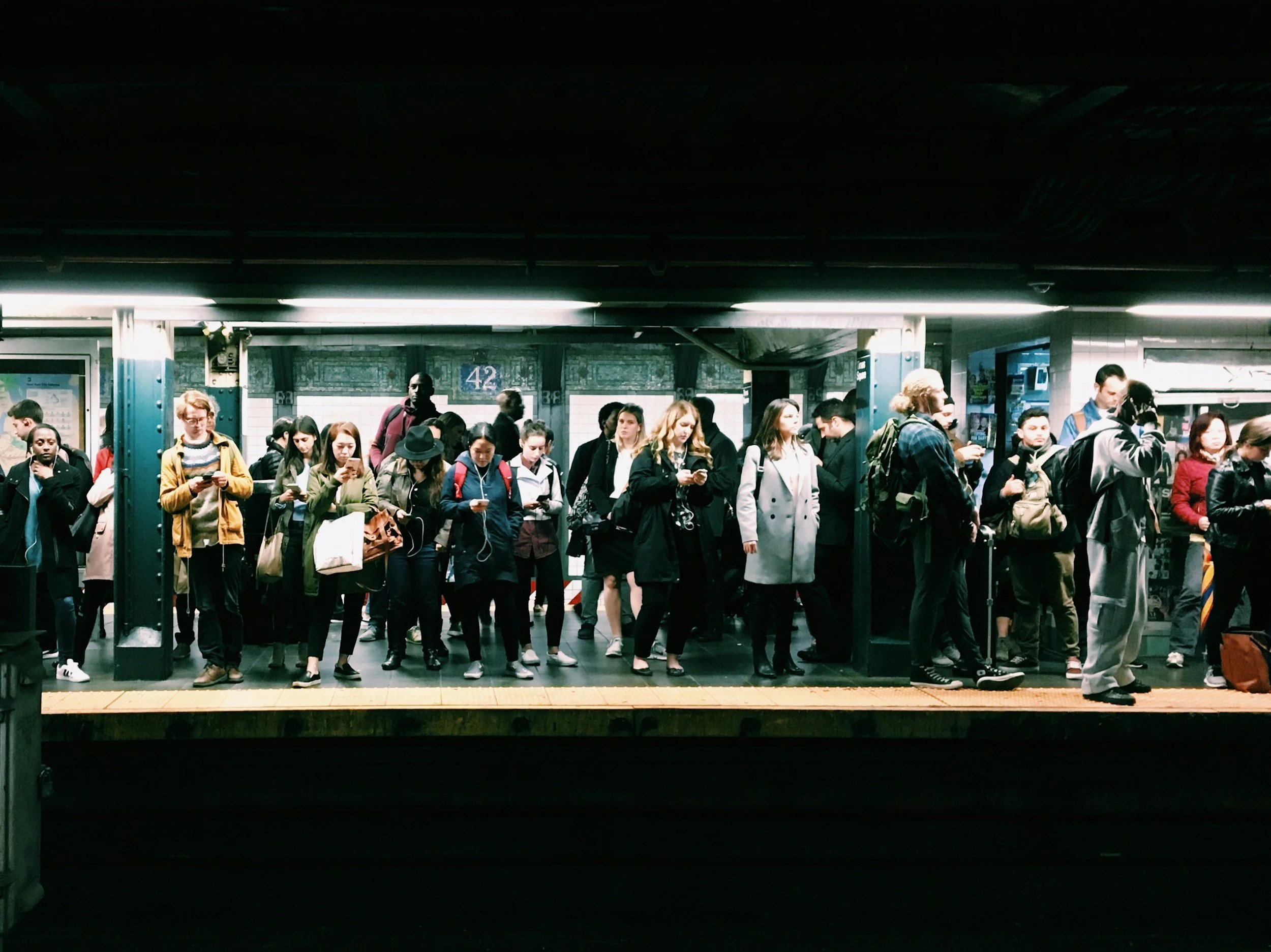
Due to scale, distance, and complexity, most people cannot perceive the whole of modern politics or society. Building the capacity to reason through complexity and judge for yourself has to happen in two places, in the places people live and in the minds people think with.
One local is the place people live. We are preparing the charter language and legal guidance for permanent citizens' assemblies that a city defines and runs itself, where deliberation rebuilds trust in our own judgment and among our neighbors.
The other local is the individual mind. We are building a decision mapping tool that takes a contested question and opens it into the decisions inside the label, the genuine tradeoffs, second order effects, and what remains honestly uncertain. Judgment stays with the person using it, so that capacity grows through use.